

ACNE
Let's understand
your acne.
Breakouts can be frustrating. Especially when you feel like you’ve tried everything. We start by listening, understanding your skin and making a plan that feels manageable.
Understand Acne
Common Triggers
In The Clinic
At Home
Your Questions
01 / UNDERSTAND YOUR SKIN
More than
a surface concern.
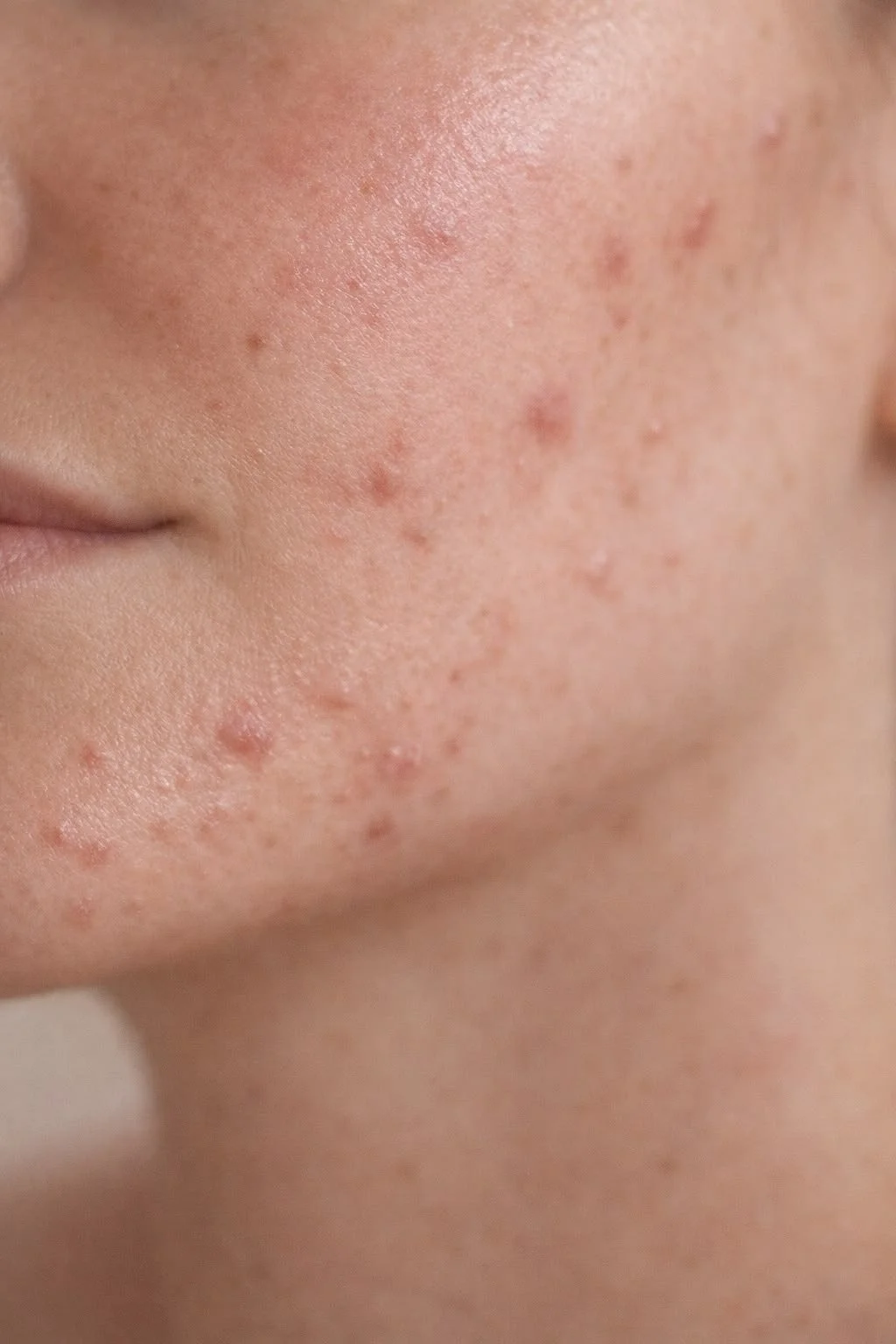
Acne develops when hair follicles become blocked with oil and dead skin cells. Inflammation and changes involving naturally occurring skin bacteria also play a part.
Hormones and genetics can influence it, and it can happen well beyond your teenage years. Acne isn’t a sign of dirty skin.
-
Blocked pores, sometimes called comedones. Blackheads are open at the surface; whiteheads stay closed.
-
Red, tender bumps and spots with visible pus. The surrounding skin may also feel sensitive.
-
Nodules and cyst-like lesions need medical assessment, particularly when they are leaving scars. We’ll recommend GP or dermatologist care where appropriate.
-
Flat red or brown marks differ from indented or raised scars. Each needs a different approach, usually after active breakouts are controlled.
02 / THE BIGGER PICTURE
Why does it
keep coming back?
There’s rarely one explanation. We look for patterns without blaming your skin—or your lifestyle.
Tap a topic to explore.
-
Some oily skincare, makeup and hair products can clog pores. Scrubbing, harsh cleansers and too many exfoliating products can irritate your skin.
-
Red, tender bumps and spots with visible pus. The surrounding skin may also feel sensitive.
-
Stress and poor sleep may worsen existing acne. Friction and trapped sweat from tight clothing or equipment can contribute to breakouts in some areas.
-
High-glycaemic diets and cow’s milk may be linked to acne in some people, but food isn’t everyone’s trigger. We avoid blanket elimination diets and review any patterns, including supplements, with you.
-
Some medicines and hormonal conditions may contribute. Tell us about changes in your health and medication; don’t stop prescribed medicines without speaking to your prescriber.
03 / IN THE CLINIC
A plan for your skin.
Not just your next facial.
01 / START WITH ASSESSMENT
Skin Reset Session
A conversation about your skin history, followed by skin analysis and a personalised plan for clinic care and your home routine.
03 / SUPPORTIVE CARE
LED & skin-conditioning treatments
Selected LED protocols including Blue light therapy or a tailored calming facial may be discussed as supportive care. Suitability varies; these are not a replacement for medical acne treatment.
We assess active breakouts, sensitivity, your current routine and previous treatment before discussing suitable options.
02 / SELECTED CONGESTION
Tailored facials & peels
Gentle professional exfoliation or selected extractions may be considered for suitable congestion. The approach is adjusted to your skin’s sensitivity and current acne treatment.
04 / AFTER BREAKOUTS SETTLE
Post-acne marks & texture
Once active acne is controlled, we can assess remaining marks and scars and discuss suitable options, which may include skin needling or targeted skin treatments.