

Skin concerns / Pigmentation
Pigmentation.
Understand it.
Care for it.
A more even-looking complexion starts with understanding your skin.
From sun spots to post-breakout marks and melasma, we tailor your care to the type of pigment, your skin tone and your skin’s tolerance.
The Basics Pigmentation Types Treatment Options Home Care & Melasma Your Questions
THE BASICS
Similar colour.
Different causes
Melanin is the pigment that gives skin its colour. When it is produced or distributed unevenly, it can appear as darker spots or patches.
Sun exposure, hormonal changes and inflammation can all play a part. The depth and cause of pigmentation matter: a treatment that suits a sun spot may not suit melasma.
We assess your skin and history first, and recommend medical review when needed.
What are you noticing?
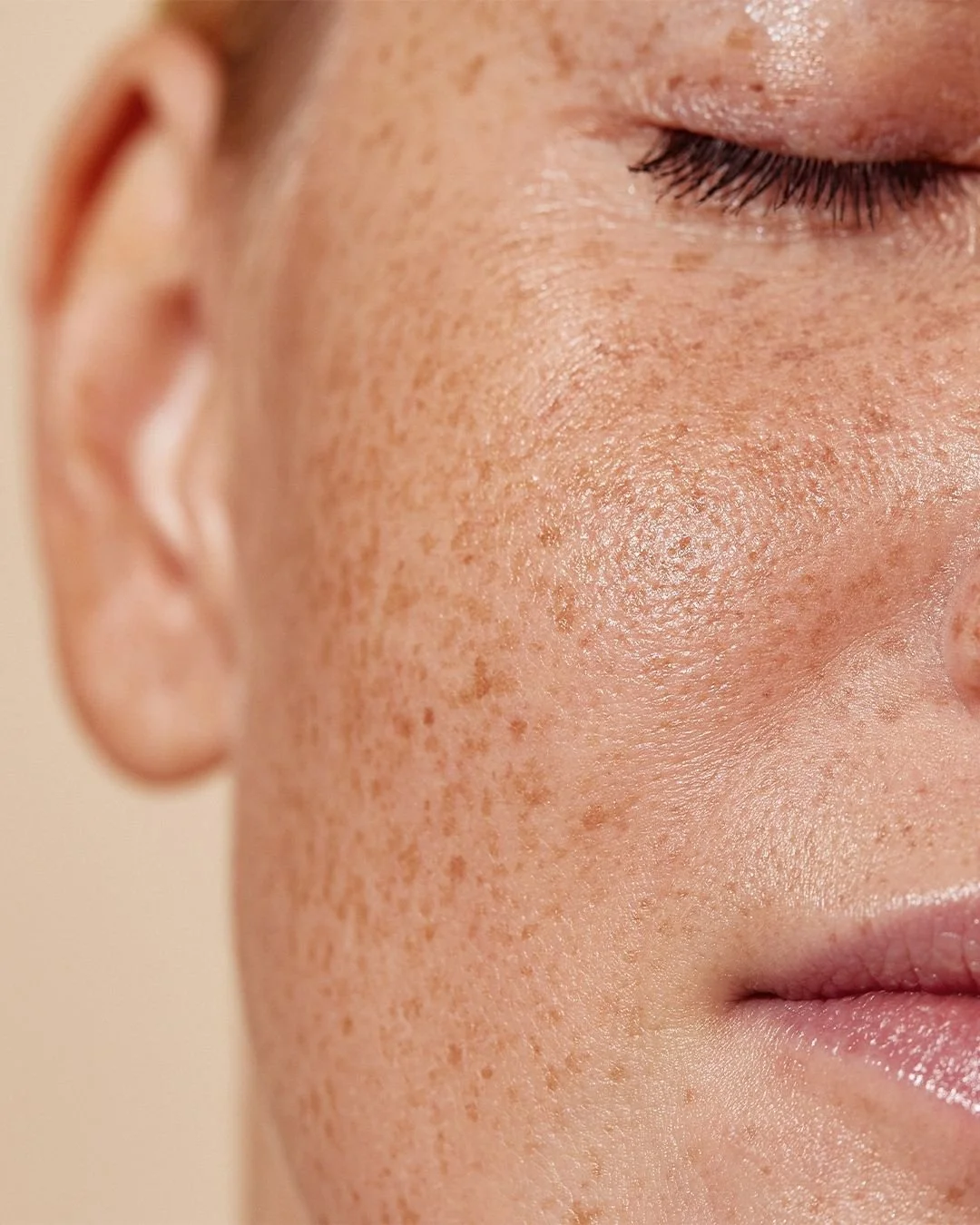
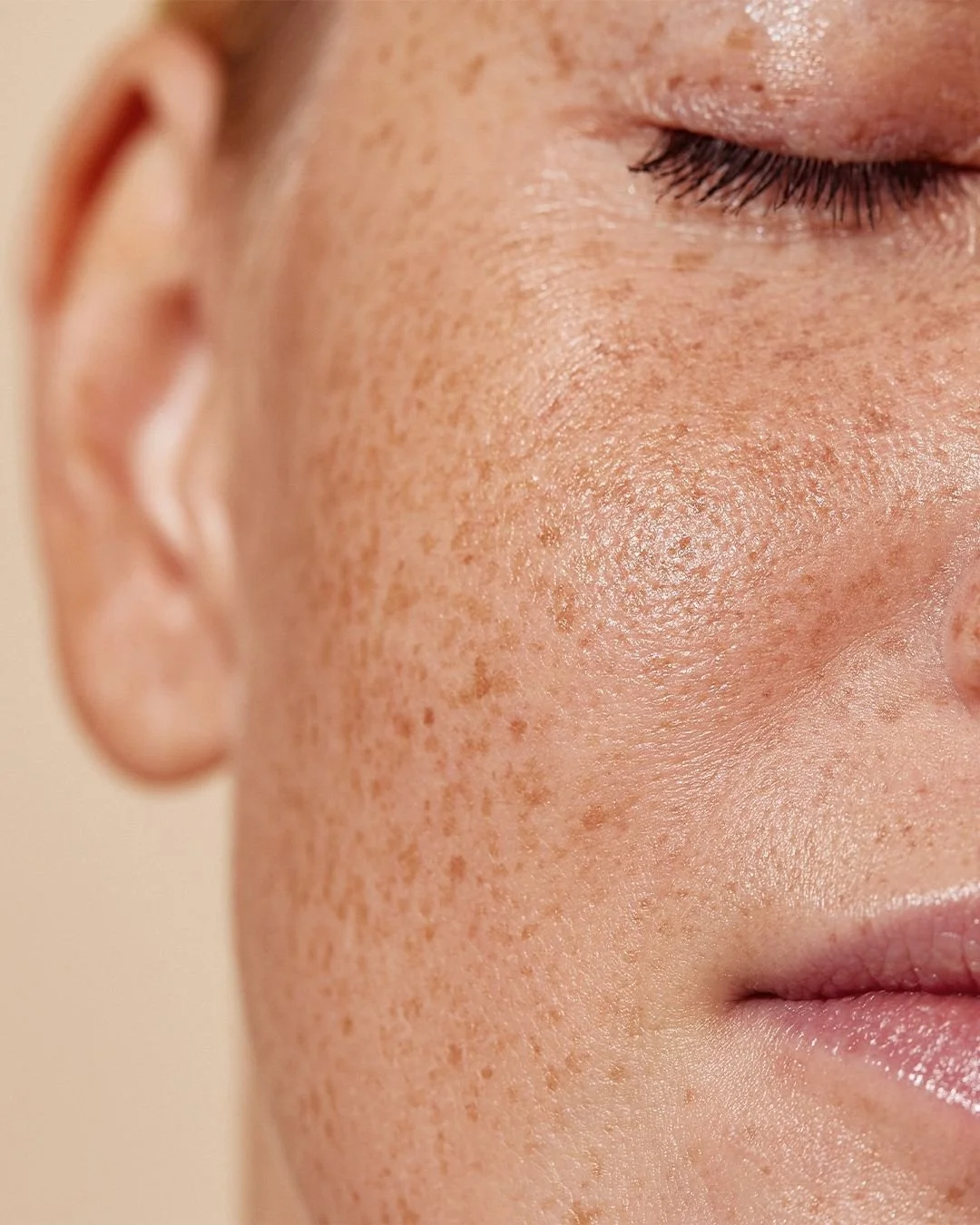
Sun spots.
Flat brown spots that develop with accumulated sun exposure, often on the face, chest and hands. Suitable, assessed sun spots may respond to targeted IPL.
Freckles.
Small spots influenced by genetics and sunlight, often becoming more noticeable in sunnier months. They may return with further sun exposure.
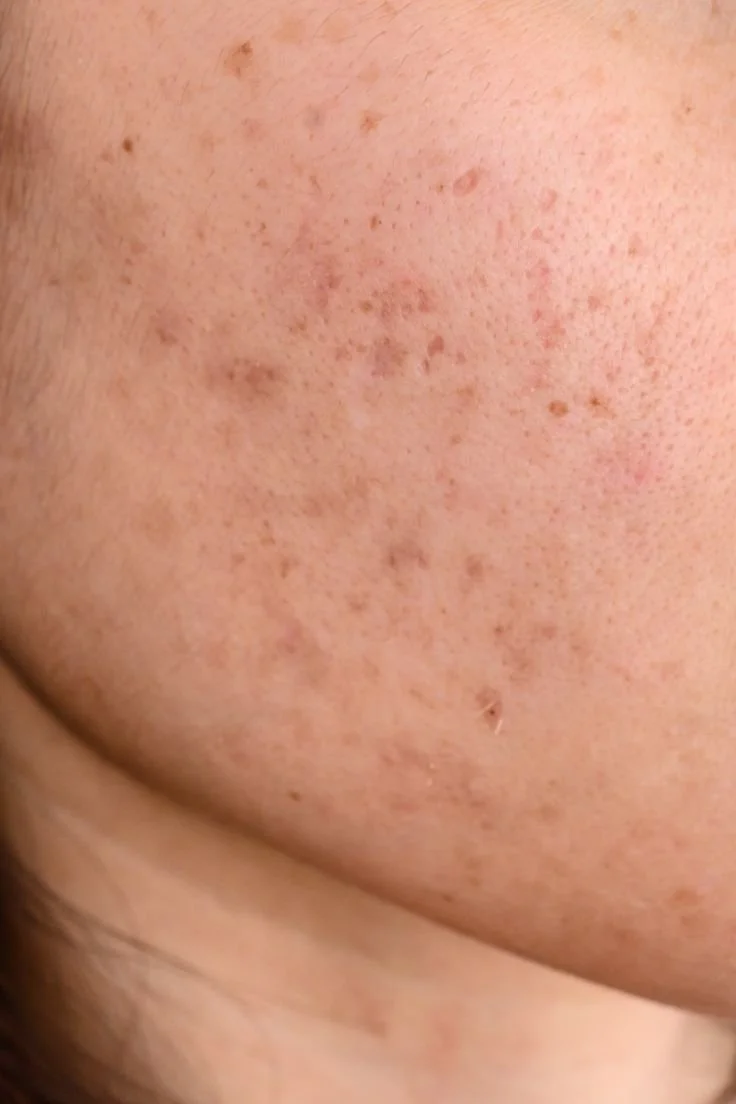
Post-inflammatory marks.
Brown or grey marks left after acne, irritation or injury. Controlling the original inflammation and avoiding further irritation are central to care.
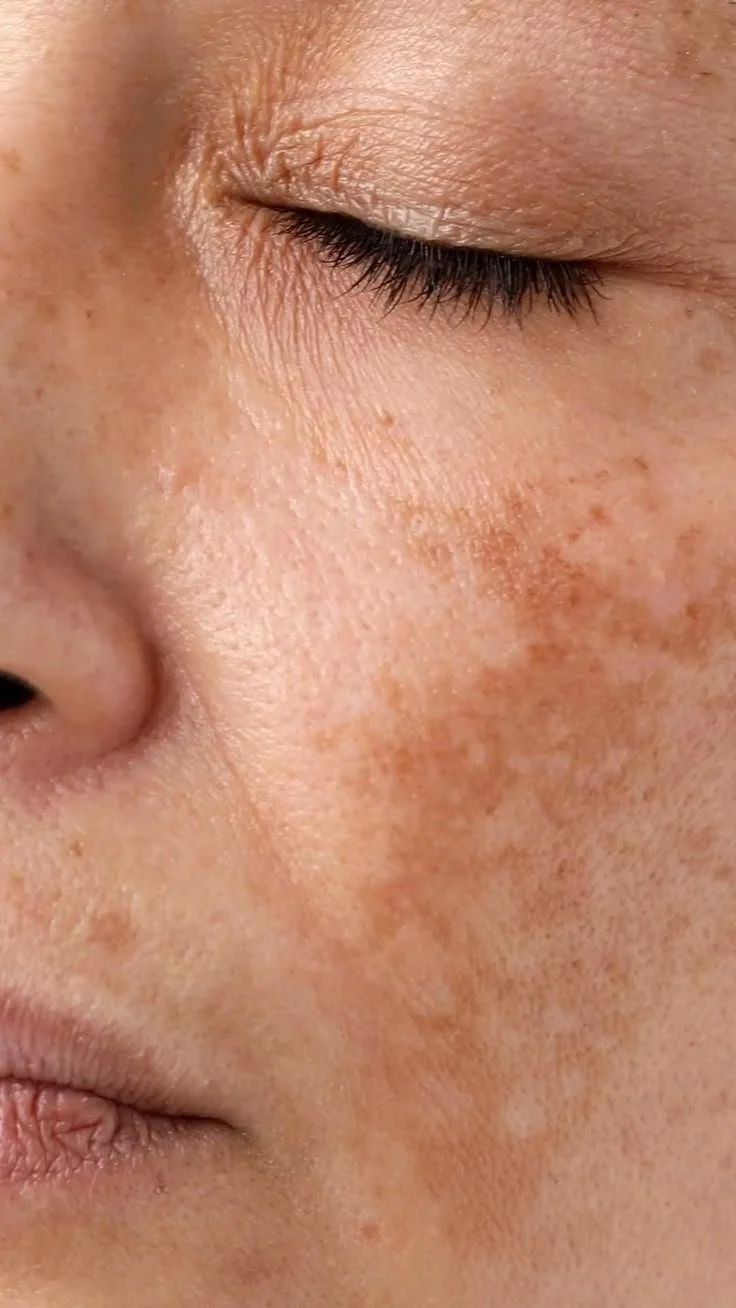
Melasma.
Patchy brown or grey-brown pigmentation, often appearing symmetrically across the cheeks, forehead or upper lip. Hormones, genetics and light exposure can contribute. It often needs ongoing management.


TREATMENT OPTIONS
The right approach.
For your skin.
Your plan may combine clinic treatments with daily skincare, or begin with home care alone. We consider pigment type, skin tone, sensitivity and your history of post-treatment darkening.
01 / TARGET
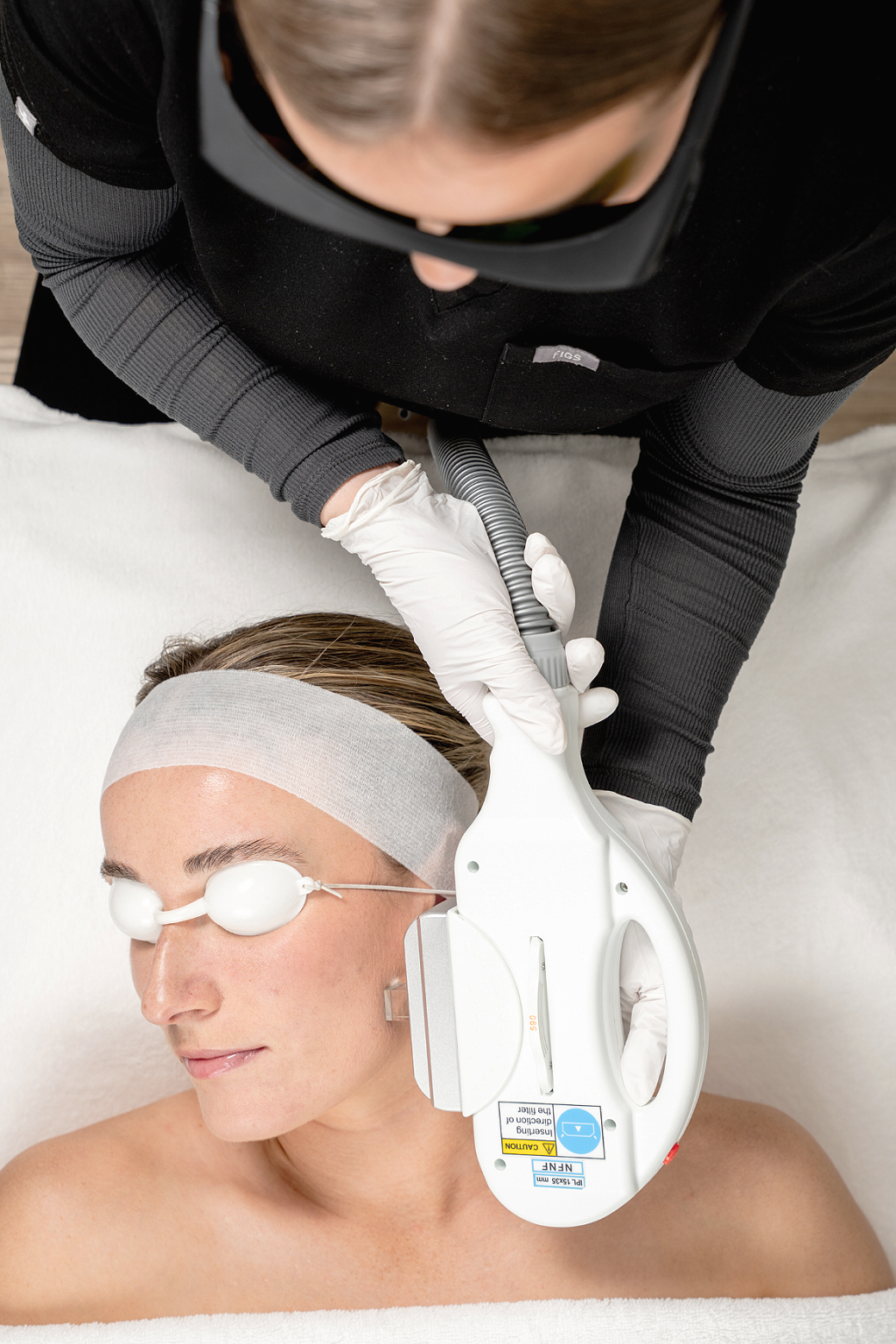
IPL
pigmentation.
Selected sun spots & freckles
Filtered light targets melanin in suitable superficial brown spots. Treated spots may temporarily darken before gradually shedding.
IPL is not suitable for every skin tone or pigment concern. It is not our default approach for melasma, where treatment can trigger worsening or recurrence.
Possible effects include redness, swelling, burns and darker or lighter patches. Suitability and test-patch requirements are assessed first.
02 / COMPLEMENT
REJURAN®
Tone-Up Booster.
Uneven-looking tone & Brightening
A topical booster combining c-PDRN, hyaluronic acid and brightening ingredients, including vitamin C, glutathione and tranexamic acid.
It may be considered within a personalised skin treatment plan for dullness and uneven-looking tone. We assess the suitability of any accompanying procedure separately, especially for melasma-prone skin.
This is the topical Tone-Up Booster, distinct from injectable Rejuran Classic. It is not presented as a cure for melasma.

03 / REFINE
Tailored
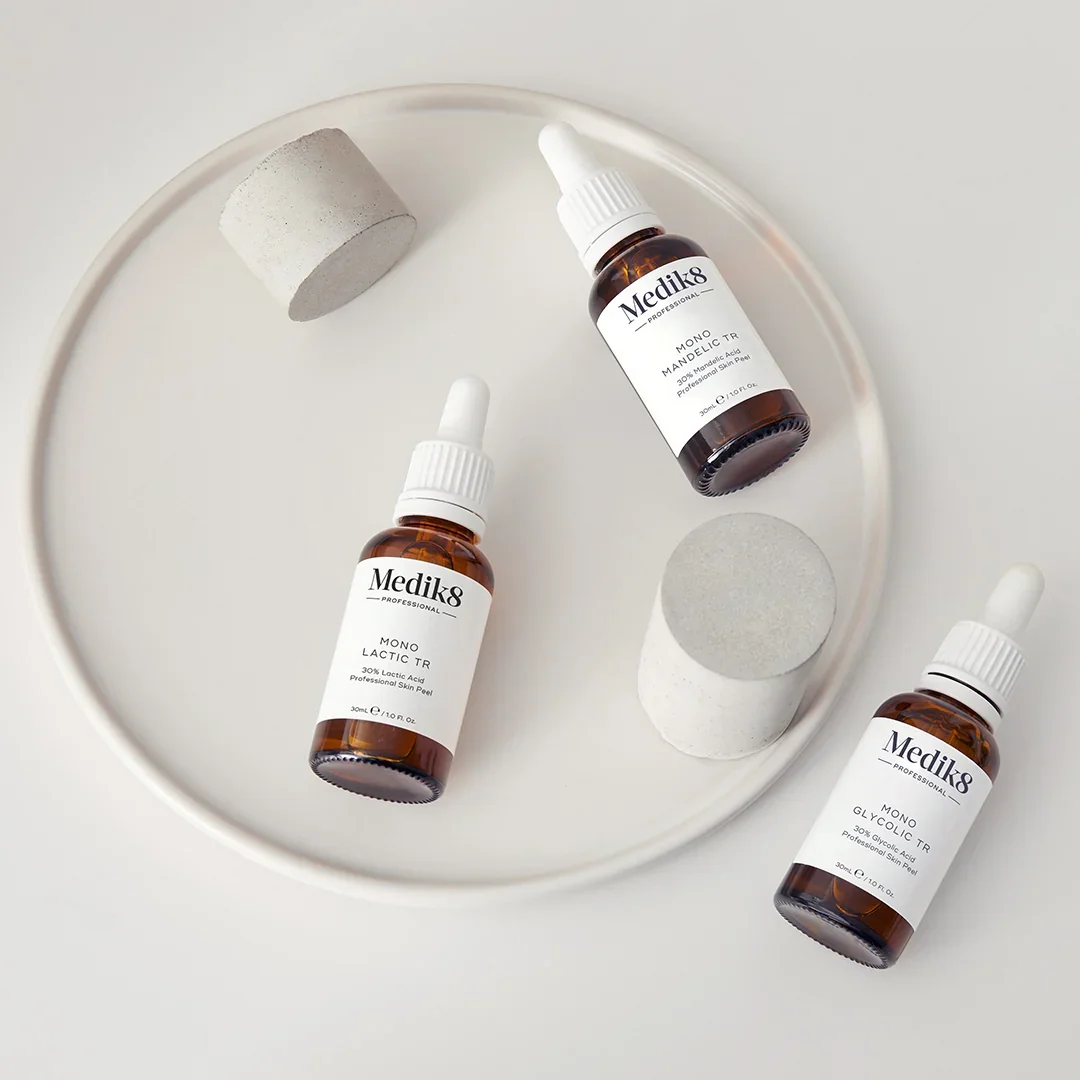
chemical peels.
Surface pigment & uneven texture
A carefully selected peel exfoliates the skin’s surface and may help improve superficial pigmentation and uneven-looking tone.
Peel type, strength and timing are chosen around your skin’s tolerance. With melasma or a tendency to develop dark marks, a cautious approach is essential—stronger is not always better.
Temporary dryness, redness and peeling may occur. Irritation can worsen pigmentation.
04 / SUPPORT
DMK.
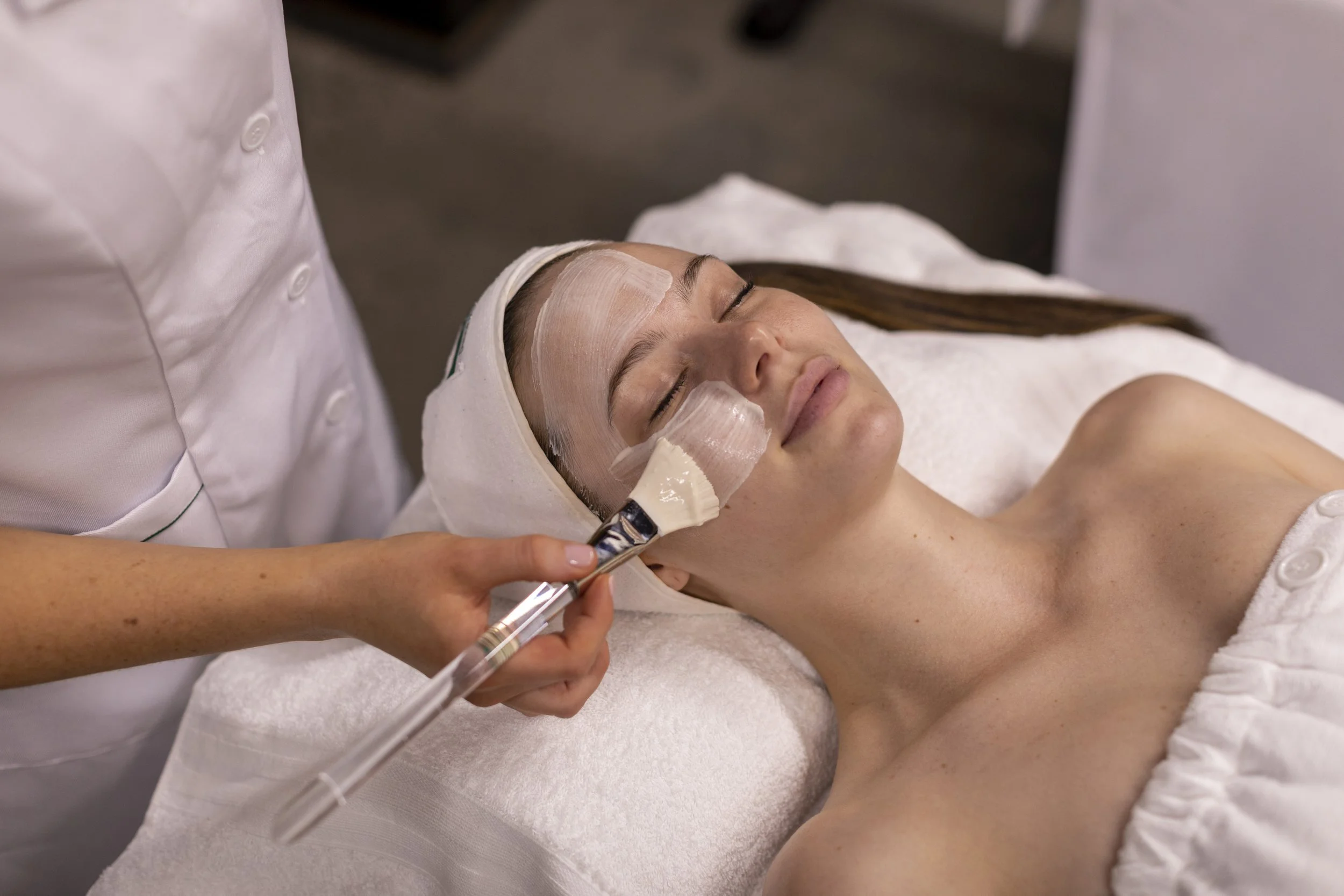
Customised care.
A plan shaped around your skin
A tailored DMK treatment may incorporate enzyme therapy, appropriate exfoliation and hydration, depending on your skin’s condition and tolerance.
We pair clinic care with a manageable home routine. The focus is on skin condition and a consistent approach to uneven tone, without promising that one facial can remove persistent pigment.
Your treatment selection and home products are discussed after assessment.

BETWEEN APPOINTMENTS
For melasma,
home care is the foundation.
Melasma can improve and then return. Daily light protection, a gentle routine and ongoing management matter just as much as what happens in the clinic.
01 / Protect daily.
Use broad-spectrum SPF 50+ every day. For melasma, a tinted sunscreen containing iron oxides adds protection against visible light. Reapply as directed, especially outdoors, and add a broad-brimmed hat and shade.
02 / Keep skin comfortable.
Choose a gentle cleanser and moisturiser. Avoid scrubbing, picking and layering too many exfoliating products. Stinging and irritation are signs to reassess your routine.
03 / Choose actives thoughtfully.
A targeted routine may include ingredients such as niacinamide or vitamin C, selected for your skin’s tolerance. Persistent melasma may need medical assessment and prescription management.
04 / Stay consistent.
Improvement takes time. Continue protection and maintenance when your skin looks clearer, and review the plan if pigmentation changes or your skin becomes irritated.
A little more clarity.
-
Some spots can fade substantially, but pigment can return and new spots can develop. Melasma is particularly prone to recurrence, so ongoing protection and maintenance are important. Results vary.
-
Not routinely. Light-based procedures can worsen melasma or cause rebound pigmentation. We prioritise assessment, sun protection and topical care; selected procedures require careful clinical judgement.
-
This depends on the pigment type and depth, your skin tone and your response. We’ll discuss a realistic course, expected downtime and costs after assessment.
-
Yes, there are options, but treatment selection matters. Darker skin can be more prone to post-inflammatory pigmentation, so we take extra care with procedures and avoid unnecessary irritation.
-
We’ll review what you already use and keep the routine practical. Consistent sunscreen and well-tolerated products are more valuable than adding lots of steps. For melasma, home care remains essential between treatments.